

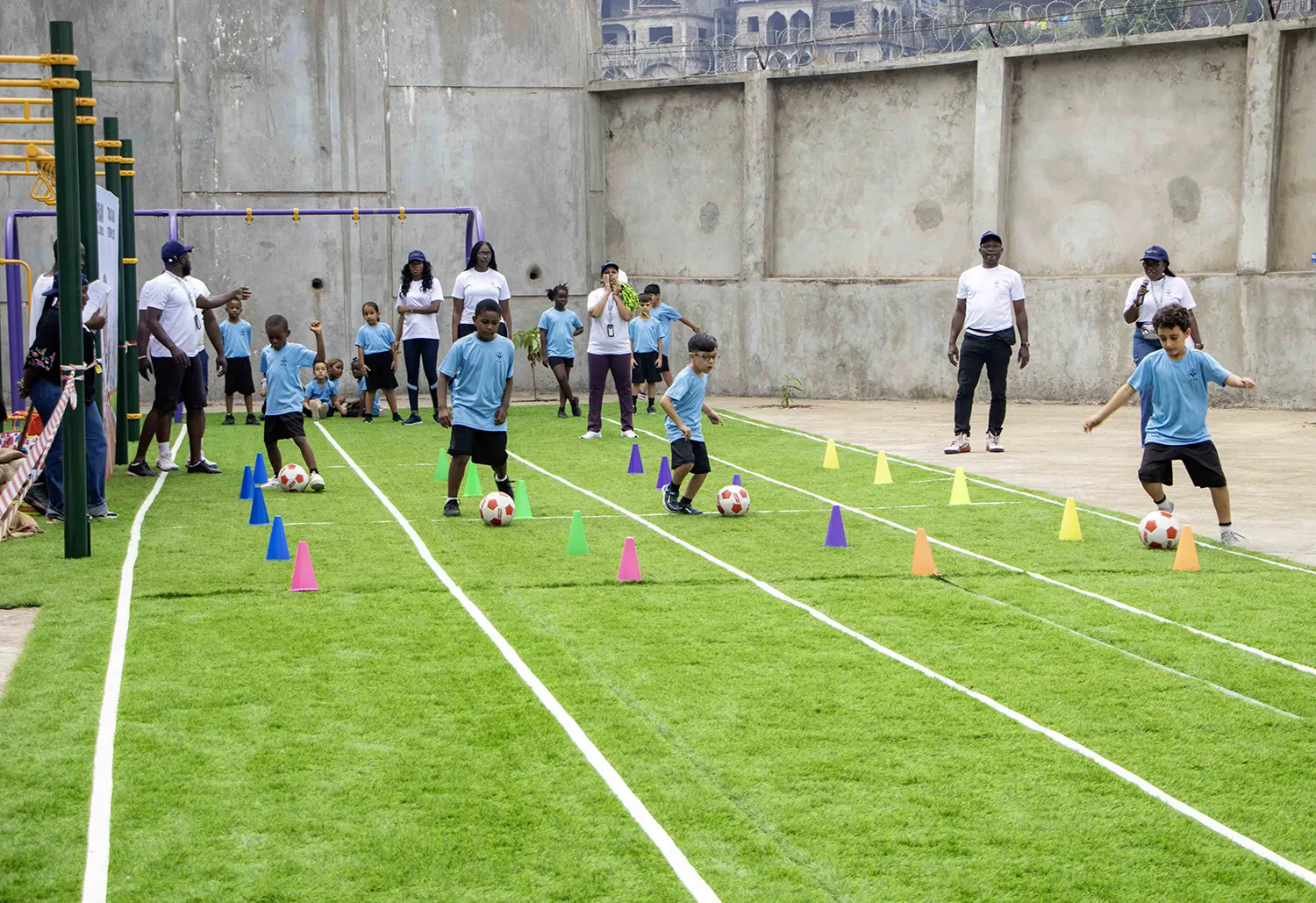
From Play Labs to Classrooms: The Future of Multilingual Education in Sierra Leone
The landscape of the Sierra Leone education system is evolving. As Sierra Leone strengthens its academic foundations through the 6-3-3-4 education system, schools are reimagining how children learn, communicate, and grow in a rapidly globalizing world. From early childhood play labs to structured secondary classrooms, the future of education lies in blending strong academic frameworks with multilingual, experiential learning.
Today, parents searching for the best schools in Sierra Leone are not only looking for academic excellence. They want institutions that prepare children for global opportunities while keeping them rooted in cultural identity. In cities like Freetown, demand for progressive, internationally aligned institutions continues to rise.
Understanding the 6-3-3-4 System in Sierra Leone
The 6-3-3-4 system of education in Sierra Leone provides a structured pathway:
- 6 years of primary education
- 3 years of junior secondary school
- 3 years of senior secondary school
- 4 years of tertiary education
While this framework underpins Sierra Leone's education system, modern schools are enhancing it by introducing innovative methodologies—especially at the foundational level.
The Rise of Play-Based Learning in Freetown
One of the most impactful shifts in Freetown schools is the growing emphasis on play-based learning in Freetown. Research consistently shows that children learn best when they are actively engaged. Play-based labs, interactive classrooms, and activity-driven lessons help young learners naturally build problem-solving skills, creativity, and communication skills.
At leading private schools in Freetown, Sierra Leone, play-based education is not just an add-on; it is integrated into the curriculum. Through storytelling, role-play, group projects, and language-immersion activities, children build confidence while strengthening foundational literacy and numeracy skills.
This early exposure plays a crucial role in multilingual development.
Multilingual Education: A Gateway to Global Opportunities
Sierra Leone is a linguistically rich nation. English serves as the official language, while Krio and various local languages are widely spoken. Modern schools in Sierra Leone are recognizing the value of nurturing multilingual proficiency from a young age.
Multilingual education enhances cognitive flexibility, improves academic performance, and builds cultural awareness. For students in an increasingly interconnected world, the ability to communicate across languages is a powerful advantage.
Among Sierra Leone's best private schools, there is a clear trend toward offering globally aligned curricula while maintaining local relevance. This approach ensures students are prepared for both national examinations and international pathways.
From Foundation to Future: A Holistic Academic Journey
When families evaluate the best schools in Sierra Leone, they often consider several factors:
- Strong academic results
- Qualified and experienced faculty
- Modern infrastructure
- Character development programs
- International exposure
Leading institutions are combining structured academics with enrichment programs such as STEM labs, arts, sports, and leadership initiatives. These educational programs in Freetown ensure that learning extends beyond textbooks.
The transition from play labs to formal classrooms is designed to be smooth. Students gradually move from exploratory learning in the early years to structured, in-depth academic learning in the secondary years. This continuity supports both emotional and intellectual growth.
Why Parents Are Choosing Private Schools in Sierra Leone?
The demand for quality education has increased significantly in recent years. Many parents now prefer private schools in Sierra Leone because they offer:
- Lower student-to-teacher ratios
- International curriculum standards
- Technology-integrated classrooms
- Focus on discipline and personal growth
In Freetown, families are seeking an International School that balances global standards with local values.
This is where institutions like Choithram International School are playing a transformative role. As one of Sierra Leone's leading schools, Choithram International School integrates academic rigor with multilingual exposure and holistic development. Its approach aligns with the national framework and incorporates international best practices, making it a preferred choice for parents seeking long-term academic excellence.
The Future of Education in Sierra Leone
The future of Sierra Leone's education system lies in innovation without sacrificing structure. The 6-3-3-4 framework remains essential, but forward-thinking institutions are enriching it through:
- Early childhood play-based models
- Language immersion programs
- Global curriculum integration
- Character and leadership development
- Technology-driven learning environments
As the education landscape evolves, the gap between local and international standards continues to narrow. The emphasis is no longer just on passing exams—but on shaping adaptable, confident, and globally competent learners.
For families exploring the best private schools in Sierra Leone, the focus should be on institutions that provide both academic excellence and holistic growth. From play labs to advanced classrooms, the journey of multilingual education is shaping a new generation ready to lead.
FAQs
1. What is the 6-3-3-4 system of education in Sierra Leone?
The 6-3-3-4 system includes 6 years of primary education, 3 years of junior secondary, 3 years of senior secondary, and 4 years of tertiary education. It forms the foundation of the Sierra Leone education system.
2. Why is play-based learning important in Freetown schools?
Play-based learning encourages creativity, critical thinking, and language development. It helps children build strong foundational skills in a natural and engaging way.
3. What makes private schools in Sierra Leone different?
Private schools often offer smaller class sizes, modern facilities, international curricula, and a stronger focus on holistic development.
4. Why choose an International School in Freetown?
An International School in Freetown offers globally recognized curricula, multilingual exposure, and preparation for higher education opportunities both locally and abroad.
5. How do multilingual programs benefit students?
Multilingual education improves cognitive skills, communication abilities, and cultural awareness, preparing students for global academic and professional environments.
leave a reply
Your email address will not be published. Required fields are marked *