

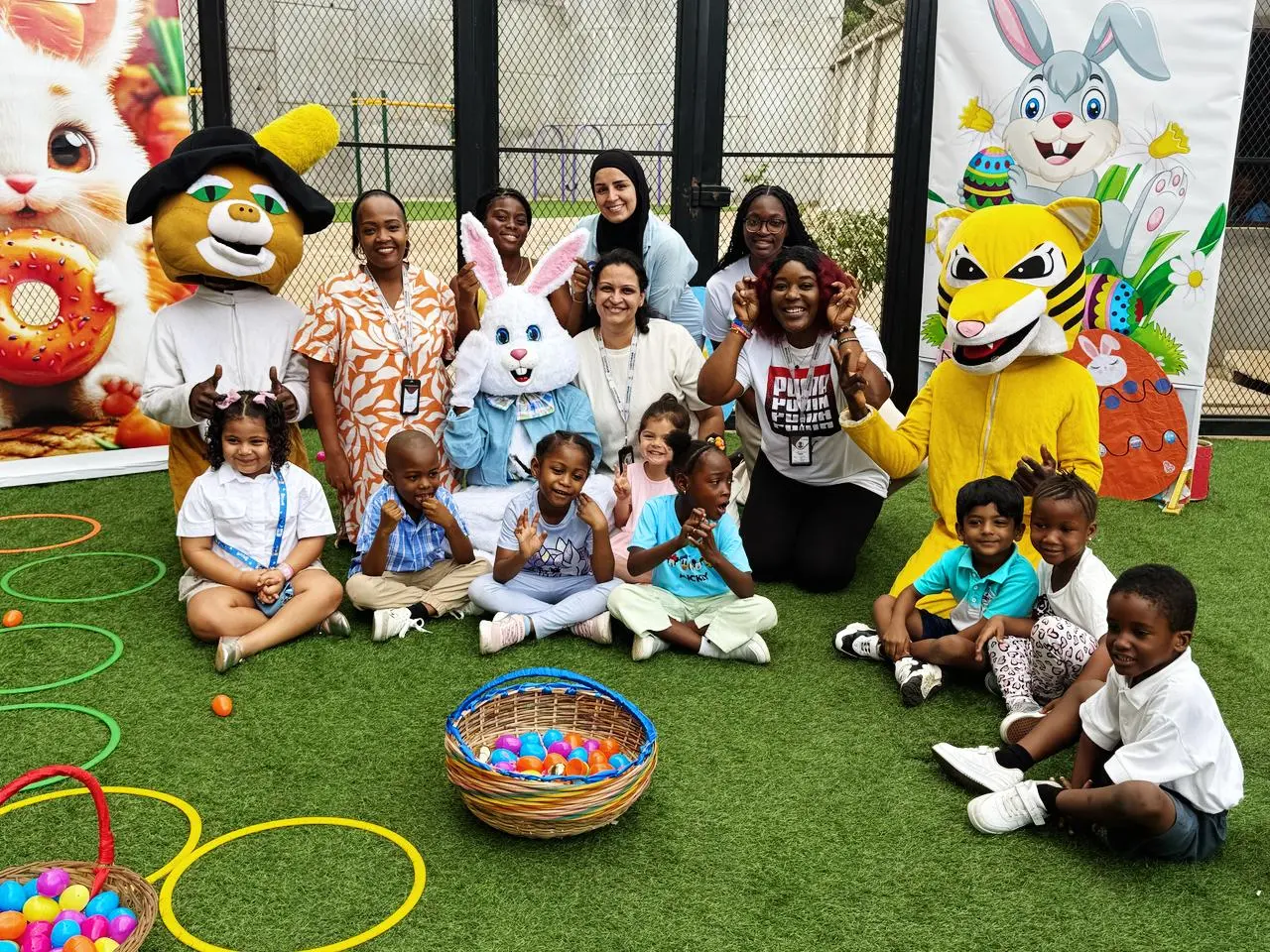
Teacher and Student Relationship: Why It Matters in Primary Schools in Freetown
A strong teacher and student relationship is one of the most important foundations of quality education, especially in primary schools. In cities like Freetown, where parents are increasingly searching for the best primary schools for their children, the focus is shifting beyond academics to emotional development, confidence-building, and overall well-being. The connection between a teacher and a student plays a vital role in shaping a child’s learning experience from Early years through the Primary years.
Importance of Teacher and Student Bond in Primary Education
The early years of education are crucial for a child’s intellectual, emotional, and social growth. In primary schools, children learn not just subjects, but also values such as discipline, empathy, teamwork, and communication. A positive teacher and student relationship creates a safe and supportive environment where children feel encouraged to ask questions, make mistakes, and express themselves freely.
When teachers understand individual learning styles, strengths, and challenges, students feel seen and valued. This connection directly impacts classroom engagement, academic performance, and emotional stability—key indicators of success in any primary school.
How Teacher Support Enhances Learning Outcomes?
A strong bond between teacher and student helps children develop trust and confidence. Students who feel supported are more likely to participate actively in class and perform better academically. Teachers who communicate effectively can adapt lessons according to the syllabus for primary school in Sierra Leone, ensuring that learning objectives are met while keeping students motivated.
In well-structured primary schools, teachers act as mentors rather than authority figures alone. This approach encourages curiosity and independent thinking, helping students develop a love for learning that continues beyond the classroom.
Role of Teachers in Emotional and Physical Development
Education is not limited to textbooks. Primary school physical health education plays a vital role in building healthy habits from a young age. Teachers guide students in understanding hygiene, nutrition, physical activity, and emotional well-being. When teachers foster a caring relationship, students are more open to learning about health and wellness.
In early years, children often rely heavily on teachers for emotional reassurance. A warm and nurturing approach helps students adjust to school life, reduces anxiety, and builds self-esteem—especially important during the transition from home to formal education.
Teacher and Student Relationship in Pre-Primary Years
In Pre-Primary Years, children experience structured learning for the first time. The teacher becomes a central figure in their daily routine. Positive interactions help children develop social skills, improve communication, and build emotional resilience. Teachers who encourage play-based learning, creativity, and interaction help children grow holistically.
A supportive environment in Early Years sets the tone for a child’s future educational journey and plays a critical role in determining how they perceive school and learning.
Why Parents Value Strong Teacher-Student Connections?
Parents searching for primary schools often look beyond facilities and curriculum. They want assurance that their child will be guided, supported, and understood. Strong teacher and student relationships lead to better communication between schools and parents, ensuring transparency in academic progress and behavioural development.
The best primary schools in Freetown prioritise teacher training, classroom interaction, and student engagement. These schools understand that a nurturing environment leads to confident learners who are prepared for higher education and real-world challenges.
Building a Positive Learning Environment in Primary Schools
For primary schools to thrive, they must invest in teacher development and classroom culture. Regular training helps teachers understand child psychology, modern teaching methodologies, and curriculum integration aligned with national and international standards.
A balanced approach that combines academics, physical education, and emotional learning ensures that students grow into well-rounded individuals. When teachers act as guides and role models, students develop respect, discipline, and a sense of responsibility.
Final Thoughts
The teacher and student relationship is a cornerstone of effective primary education. In primary schools in Freetown, this bond shapes not only academic success but also emotional intelligence, physical well-being, and lifelong learning habits. Schools that prioritise strong teacher-student connections stand out as trusted institutions for parents seeking quality education for their children.
If you are looking for a school that values holistic development, strong teacher guidance, and a nurturing learning environment, choosing the right institution makes all the difference.
Looking for one of the best schools in Freetown?
Connect with us today to learn more about our curriculum, teaching approach, and admissions process.
leave a reply
Your email address will not be published. Required fields are marked *